
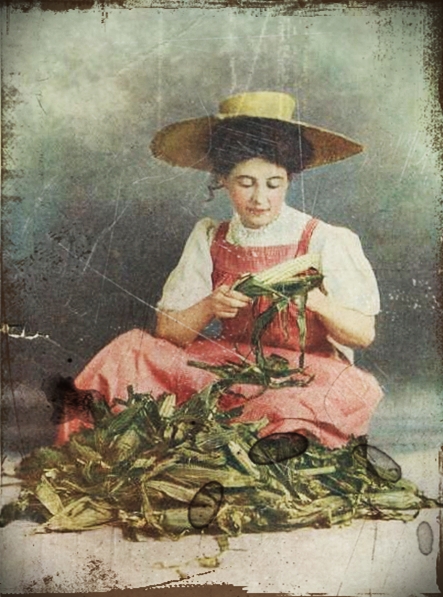
I’m not at all reluctant to confess that I’m as “corny” as Doris and Mitzi. How about you, are you as “corny as Kansas” too?
Before I dive into the main course of this article, may I ask that you visit the YouTube website and listen to either or both of the following audio recordings listed below? The song is What A Wonderful Guy from the famous Rodgers & Hammerstein movie musical, South Pacific. In it, Mitzi Gaynor sang “I’m as corny as Kansas in August”…lalala etc. But, did you know that Doris Day sang the whimsical love song too? I prefer the latter version. You can make up your own mind. Mitzi sings it at: http://www.youtube.com/watch?v=OcUEjKU7Qi8 – and here is Doris: http://www.youtube.com/watch?v=s8SIcBydkcU&NR=1 . Just
copy/paste the URLs into a search engine blank. BELOW: My friend, Anita, and her corn patch.
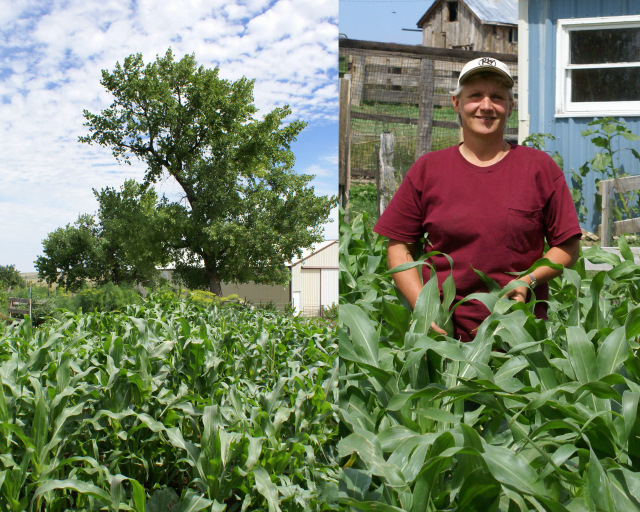
If there was such a thing as a lovey-dovey theme song for Farmgirls, this song is Purrrr-fect. But, you might ask, “What does being corny really mean?” Ok, here ‘tiz … Corny: wholesome-ish but out-dated, light-hearted melodrama, hokey. Kansas is noted for its production of corn, and August would be harvest time for corn. So, “Nellie” was having fun with a double meaning for corny, playfully saying that she was like the state of Kansas … as corny as corny gets.
Confession: I’ve been guilty of thinking that corn plays “second fiddle” to pumpkins when it comes to Autumn imagery. Pumpkins are the glamor veggies of Fall, they get most of the paparazzi. But, you know what? That is just plain wrong. So, I’m going to make it up to my friends, the many kinds of corn that I so enjoy. It is time to set the record straight.
Corn, as we know it today, would not exist if it weren’t for the humans that cultivated and developed it. The kind of corn we’re familiar with is a human invention – a plant that does not exist naturally in the wild. It can only survive if planted and nurtured by people. Corn is perhaps the most completely domesticated of all field crops
.jpg)
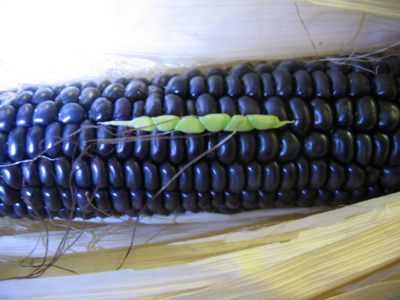
Scientists believe people living in central Mexico developed corn from a wild cousin about 7,000 years ago. Corn was started from a wild grass called Teosinte (below). It looks very different from “our” corn, the kernels are few and very small and are not placed close together like kernels on the husked ear of modernday corn. The ear of blue corn below that a strand of Teosinte is sitting on is a variety called Hopi Blue and it is most commonly grown in New Mexico.
From Mexico, corn/maize spread north into the Southwestern United States and south down the coast to Peru. About 1,000 years ago, as Indian people migrated north to the eastern woodlands of present day North America, they brought corn with them.
.jpg)
When Europeans like Columbus made contact with people living in North and South America, corn played a key role in the diet of most native people. When Columbus “discovered” America, he also discovered corn. But up to this time, people living in Europe knew nothing of corn. At first, corn was only a garden curiosity in Europe, but it soon began to be recognized as a valuable food crop. Within a few years, it spread throughout France, Italy, and all of southeastern Europe and northern Africa. By 1575, it was making its way into western China, and had become important in the Philippines and the East Indies.
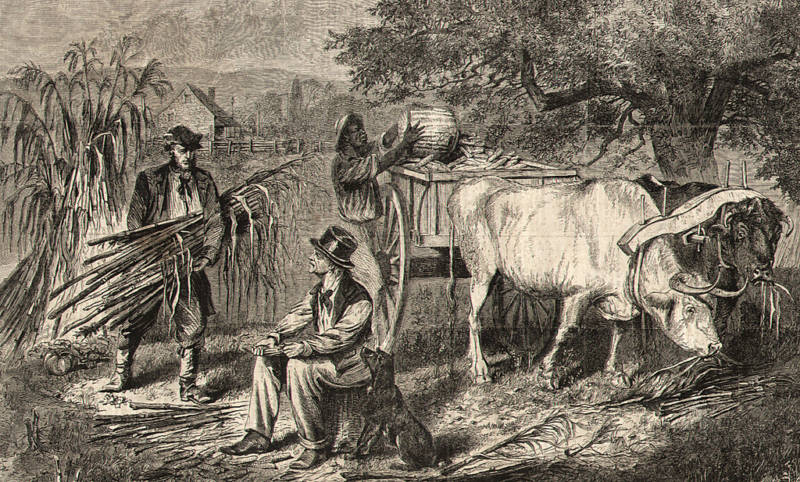
Corn was the most important cultivated plant in ancient times in the Americas. Early North American expeditions show that the corn‑growing area extended from southern North Dakota and both sides of the lower St. Lawrence Valley. It extended westward to the middle of Kansas and Nebraska, and an important lobe of the Mexican area extended northward to Arizona, New Mexico and southern Colorado. The principal role of corn during the 19th century was closely tied to the development of the Midwest. In the movement westward, corn found a long-lasting home in the woodland clearings and grasslands of Ohio, Indiana, Illinois, and Iowa. English and German settlers named corn after their generic term for an edible grass crop. They called it “Indian corn” to differentiate it from other grains.
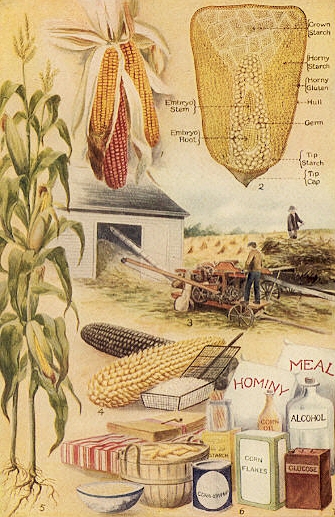
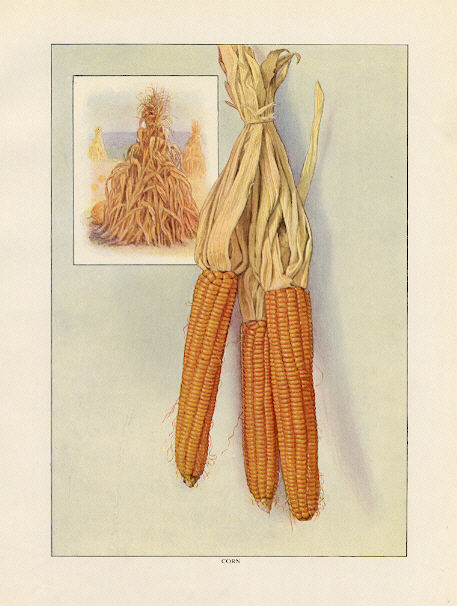
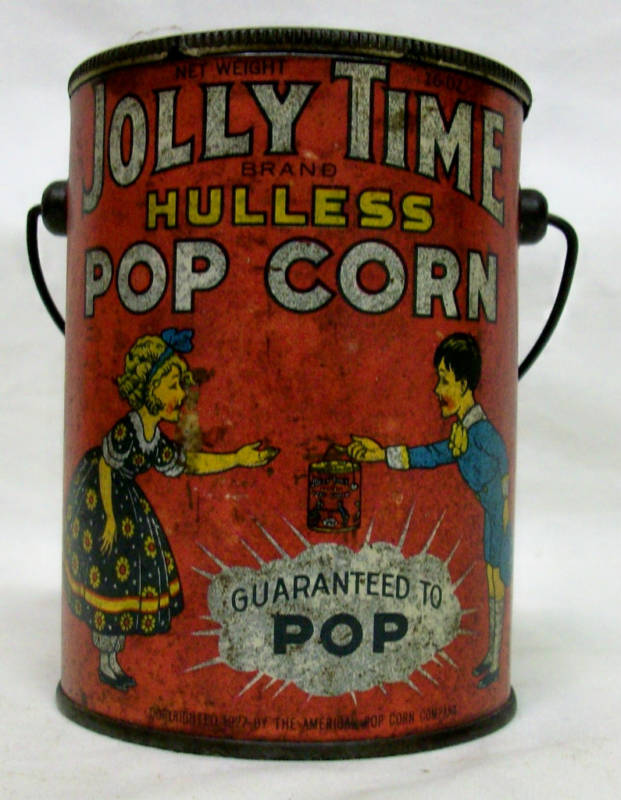
It took awhile for corn to “take off”. But, when it did, the crop became a favorite on American menus and in our farm fields. It was not until the vast technological advances in the early 1940s that corn yields started to show significant yield increases. Today, more than 40% of the world’s corn is produced in the United States. Iowa is normally the leading corn producing state, followed closely by Illinois. Nowadays, Iowa farmers average about 145 bushels per acre on more than 12 million acres. Corn is as patriotic and “All American” as apple pie and maybe more so!! Below are some fun vintage images from the annuls of American corn history …
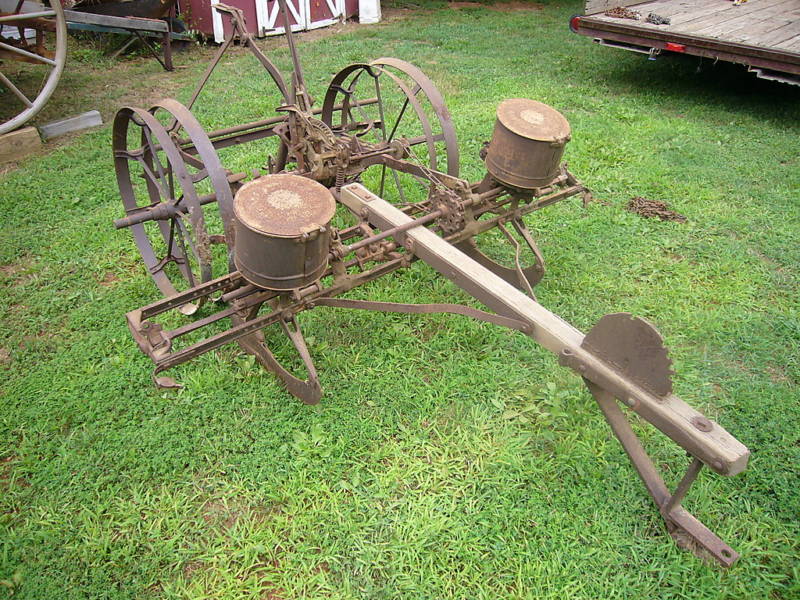
Horse-drawn corn planter.
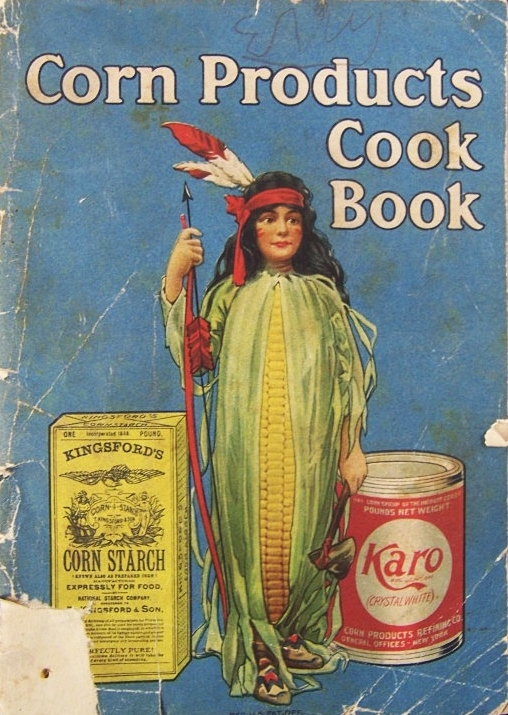
Vintage paperback cookbook.
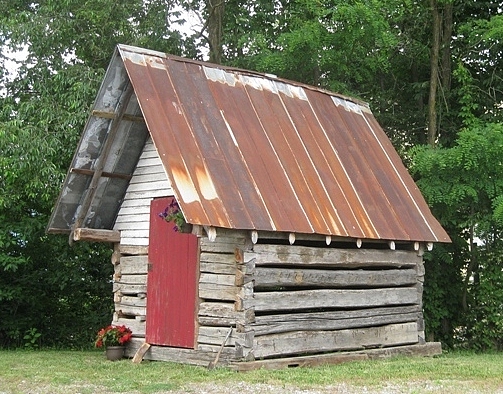
A restored corn crib shed.
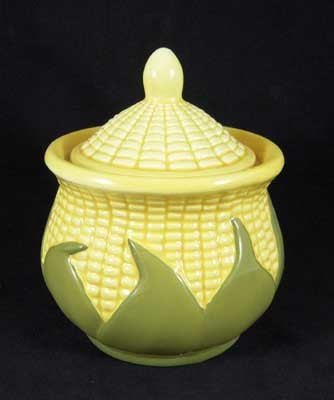
Shawnee Pottery, a Zanesville, Ohio company, began producing whimsical items in 1937. If you’re a child of the ’30s, ’40s or ’50s, you may remember a vast variety of pieces of Shawnee’s corn inspired kitchenware lining the cupboard shelves. The pattern was called “Corn King”. It was very popular “back when” and today it is a “hot” antique collectible. My farmgirl pal, Lisa, is an avid collector.
Is there ANYthing with more aromatic appeal than fresh popcorn??!! The first popcorn making machines that some of you “vintage” farmgirls will remember seeing in movie theaters were specifically designed to blow the popcorn vapors into the air for the said purpose of selling popcorn. The aroma is edible temptation at its best. A movie theater without popcorn? Un-thinkable. I’ll bet there are farmgirls that leave their desk after they read this just to make a batch of buttery popcorn.
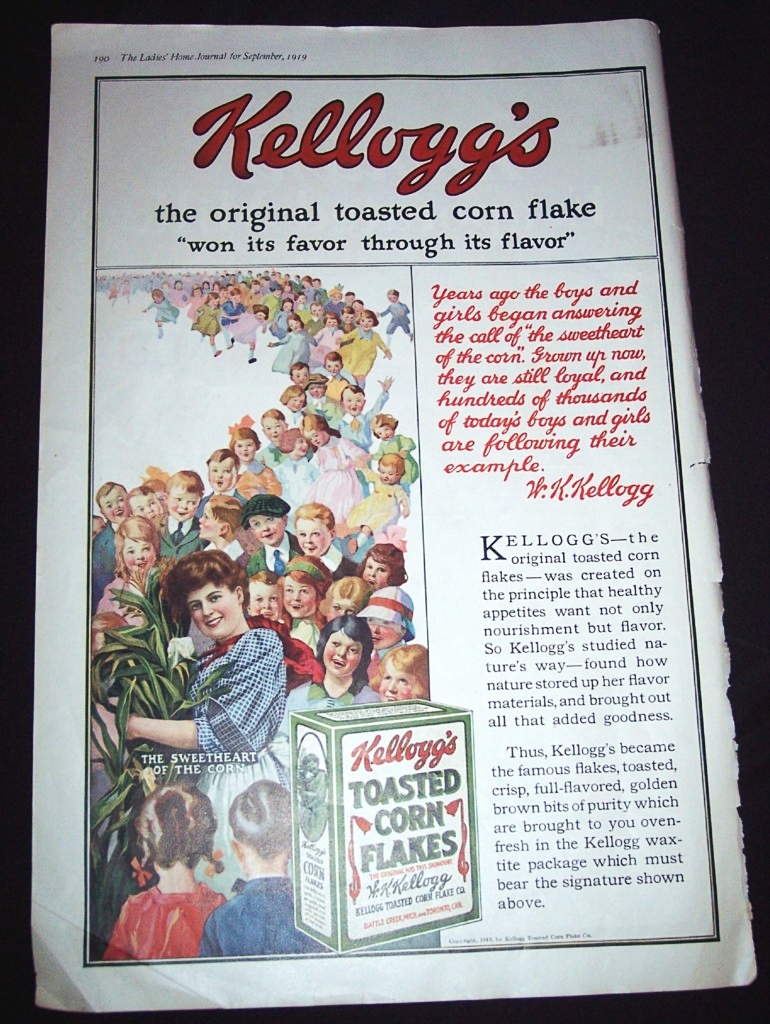
From the pages of Ladies Home Journal magazine, September 1919 …
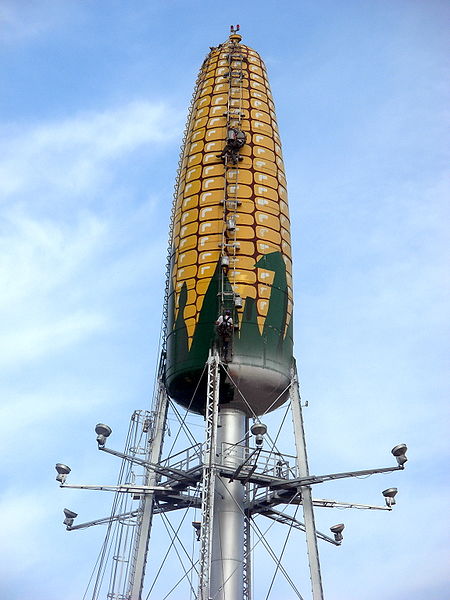
Small towns all around America’s heartland celebrate the harvest with corn festivals. In Iowa, CORN IS KING and Iowa is the nation’s #1 corn producer, about half the farming land is devoted to just corn! Here is a water tower located in Minnesota – another state that grows a lot of corn. What a sight it must be when it is all lit up at night.
Now we’re into November, 2010. My favorite holiday is on deck. Thanksgiving – a time for a humble smile, the best kind of joy and sincere gratitude for all that we have. My favorite dish is scalloped corn, the way my Grandma Messersmith made it from dried sweet corn. When dry, the corn is the color of carmel candy. The first Thanksgiving was held in 1621. Sweet potatoes, cranberry sauce and pumpkin pie were not on the menu, however, Corn certainly was. The earliest settlers in America may very well have perished if Native Americans hadn’t introduced them to corn. The settlers were taught how to grow it by planting kernels in small holes with small fish and covering them up. The fish acted as fertilizer.
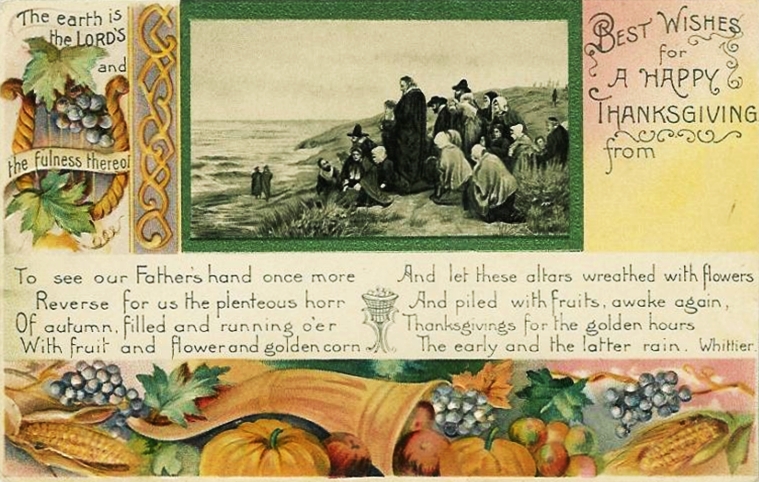
The Indians also shared their various ways of preparing corn, such as pounding it into meal to make cornbread, corn soup, corn cakes, and corn pudding. Corn was also used by the early settlers as money and to trade for meat and furs. The first governor of the Plymouth Colony, Governor William Bradford, said once “And sure it was God’s good providence that we found this corn, for we know not how else we should have done.” Corn earned a rightful place on millions of Thanksgiving dinner tables all over this great country.
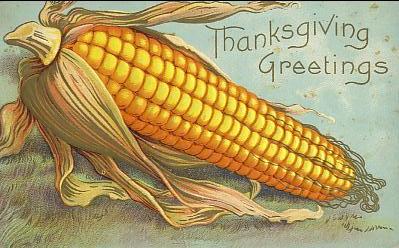
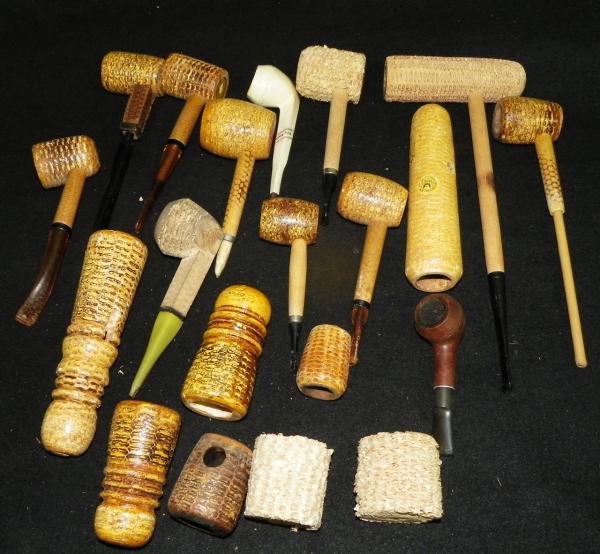
What is truly amazing about “Maize” is its versatility and seemingly innumerable uses. Not even considering the culinary uses, the list is impressive. Indians wove corn husks into clothing, sleeping mats, baskets, and toys. Most of the corn grown in the United States and Canada is used as animal fodder (livestock). There are also many industrial uses of corn including ethanol, cosmetics, ink, glue, laundry starch, shoe polish, medicines, fabrics, and ornamental decor. Does anyone use a corncob pipe anymore? I imagine that St. Nick and Frosty The Snowman are #1 and #2 on the list of famous corncob pipe smokers.
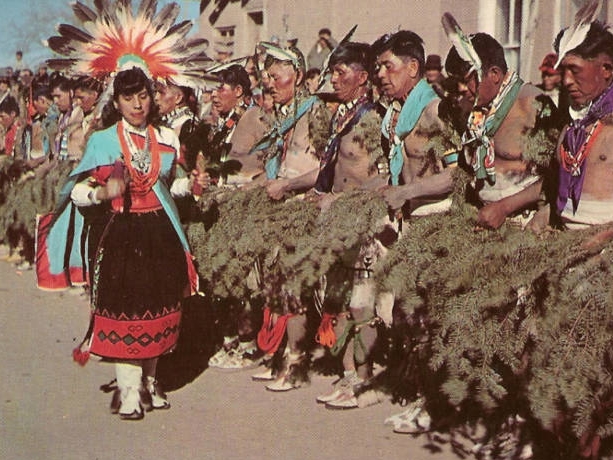
In the lives of agricultural Native Americans, corn was as important as the Buffalo were to the Plains Indians. Corn was woven into the fabric of life for the “Aggie” Indians … every part of their lives … their stories, their religious beliefs, their songs, their ceremonies, their art, their utilitarian needs, their diet. Below: Navajo Corn Dance; the young woman portrays the Corn Maiden deity.
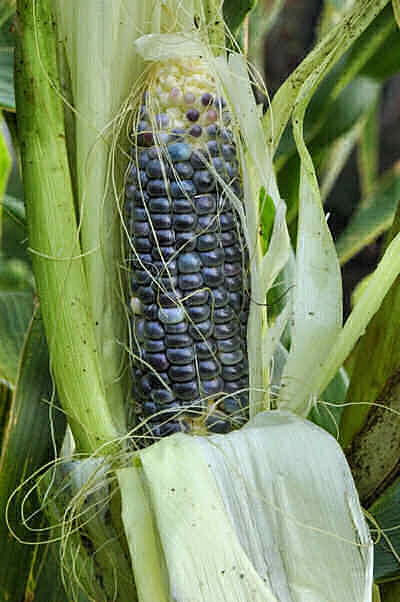
The Corn Maiden image figures prominently in jewelry made by southwestern Native Americans. She was a symbol of fertility and “plenty” and of the corn plant that was central in the lives of the Indian people. To the Hopi, the Blue Corn Maiden was thought to be the prettiest of the Corn Maiden sisters. Not only was she beautiful, she had a kind, gentle, and peace loving personality. Understandably, she was a symbol of happiness to the people of the Pueblos. From Turquoise, this pair of Corn Maiden sisters was intricately hand-carved into a fetish. Blue corn does have, in my opinion, more corn flavor and it really is blue!
.jpg)
Whole kernel corn that is soaked in a lye brine becomes what what we call hominy. If it is coarsely ground, southerners call it “Grits”. What would a southern breakfast be without grits? This dish was also handed down to us by Native Americans, who called it saqamite. Another delicious southwestern corn reliant food that many of us enjoy over the Christmas holidays are tamales. Years back, when I lived in New Mexico, I looked forward to buying several large bags of them at Christmas bazaars. Tamales freeze very well.
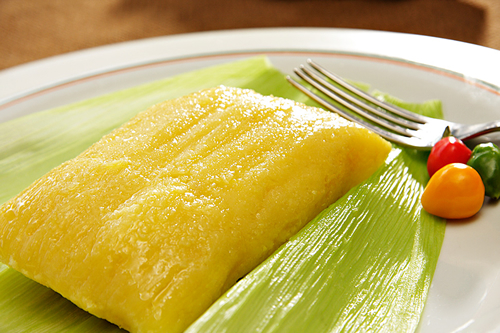
In the Native American garden of old, corn, squash and beans were known as the “Three Sisters” – sisters who should never be apart – sisters who should be planted together. This brings me to the next phase of this article … recipes from the corn patch. The first recipe comes from my friend, Connie, who is a fabulous cook.
Connie’s Corn Puddin’
1 two pound bag of frozen corn (thawed)
1 package of cream cheese
1/2 stick of butter
1 large egg
1 tsp sugar
1/4 tsp sea salt
1/4 C milk
Soften the cream cheese and butter in MW oven until it is creamy. Combine all ingredients and pour into a greased casserole dish. Bake at 350 degrees for about 40 minutes or until it bubbles and the top begins to look golden and has a thin crusty look.
Ok, next on the menu …
Blue Cornbread – a delicious representative of Southwestern cuisine and a very easy quick-bread. Use your favorite cornbread recipe and simply substitute blue cornmeal for yellow. However, blue cornmeal isn’t easy to find for most of us. I looked online and was delighted to find it via one of MaryJanesFarm magazine advertisers: Bob’s Red Mill. You might also be able to find BRM blue cornmeal at your favorite Health Food Store. Here is the link to buy it online: http://www.bobsredmill.com/blue-cornmeal.html **THIS TOO** … At the bottom of the web page where you can order BRM blue cornmeal, there are 12 blue cornmeal recipe links! Of course, you could use yellow cornmeal instead.
Now, here is an exotic variation on a theme …
Blue Corn Cake (with Blueberry sauce)
- 2 cups blueberries (or huckleberries)
- 1 cup water
- 1/2 cup sugar
- 1/4 teaspoon salt
- 2 Tablespoons cornstarch
- 4 Tablespoons water
- 1 Tablespoon butter
Combine the blueberries, water, sugar, and salt in a medium saucepan. Bring mixture to a boil and simmer gently for 15 minutes. While simmering, mash the berries slightly with a potato masher. Mix the cornstarch into water. With the blueberries still simmering, slowly stir in the cornstarch mixture. Continue to stir for at least two minutes. Remove from heat and stir in butter. Enjoy!
Are ya feeling corny yet? I really had fun with this piece and I learned a lot. I’ve only touched the surface of corn history. Who knew that corn was beloved the world over? I sure didn’t. Never gave it a thought. Did you know that the tiny pickled ears of corn you’ve seen on party trays is a variety that was developed in Asia? The corn stalks sport gobs of itty-bitty ears.
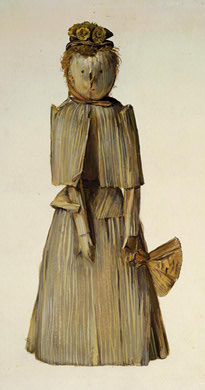
Antique corn husk doll
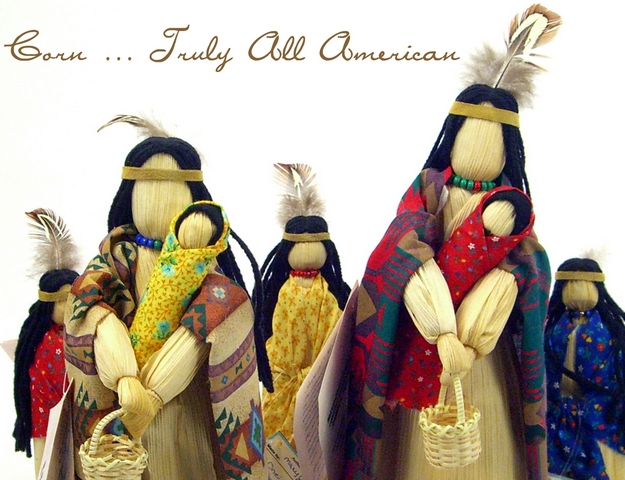
One last goody. Corn husk dolls … and how to make them. This is a project for young and old. Making them with children or grand-children would be a wonderful Autumn tradition to start. Below are three links that will provide you with all you need to know about making simple corn husk dolls. There are also online directions for more elaborate versions. One of the links below is a simple web page with good illustrations; the other is a blog with very good photos from beginning to end. The YouTube link is a video of a mother and daughter making the doll together. Note to self: you do not need green husks. Simply soak dry ones in hot water for about 15 minutes and you’ll get the same results. If you’re 40 or older, do you remember seeing darling little corn husk dollies in Hallmark stores in the 1970s? They were so popular and of the same flavor as Holly Hobbie’s “girlfolk” artwork. Might you still have one around? To make a petite and “prettier” version than the more primitive type, simply use a 1/2″ wooden bead for a head and wrap a smallish piece of wet corn husk very snuggly onto the bead. A tiny tuft of wool roving was used for hair and a piece of husk was cut in the shape of a bonnet … and then glued onto the head to cover the hair. Making a sweet face is a simple matter of drawing dots for her eyes and nose. Most Native American corn husk dolls do not have faces (see photo near the top of this page). Legend has it that the Indian maid who inspired corn husk dolls was in need of a lesson in humility. She was vain and she thought she was a better than others. The story went on to say that the Great Spirit made it so that she would never again be able to see her reflection in the water. So, that is why the dolls are faceless (similar to Amish cloth dolls). You decide if your dolly needs a smile :o)
.jpg)
Assuming your household is like many American homes at Thanksgiving, your meal will probably include a corn side-dish. I hope that when your family & friends gather around the table and hold hands to say Grace, there will be many things to be thankful for … like colorful kernels in a bundle of Indian corn.
.jpg)





I agree! I think corn is very under appreciated. You must explore the Corn Palace in South Dakota. Absolutely the icon of corn. Being a new "FarmGirl" with a newly purchased 5 acre spread with a barn, I can’t wait to sprint to plant my first garden & try heirloom varieties, blue corn being on the list!
What great article, Thanksgiving is for me a very special day. By reading the article on corn you brought memories for me as a young child. I remember grandpa growing the corn in South Mexico, where I was born. We left South Mexico when I was a young child (2) to migrate to this Great Nation. Returning every year when grandpa harvested the corn, I remember grandpa, grandma, great grandma, mom and my sisters all sitting around helping him grind in this round handmade wheel made from dried corn cobs. I can remember grandma with her long braid gather the corn to make homemade tortillas, on a large round COMAL (griddle) with firewood. They were spectacular and delicious not to mention her tamales. Those days are gone, but the memories live on…and for me close to my 60’s, I am proud to say that I’m so happy for those memories and guess what? I now have a long braid just like grandma. Thank you for this article it made my day! Maria
Shery, gorgeous piece on corn! Thanks for all the lovely pictures and history.
Who would have thought corn would have such an interesting story! Thanks Shery for the great read and images. I love Thanksgiving and I love corn–a wonderful match.
I wonder if the first Indians that planted corn would know what an impact they would make on the world.
What a cool blog! I live in Minnesota and we actually have two water towers shaped like corn. Also there is a farmgirl here who grows corn and does programs about the importance of it. She makes corn bracelets too. We do grow lots of corn. Thanks, Bonnie.
Who knew there was so much to know about corn? When we drove through the heartland of our beautiful country a few years back in late summer I thought we would never see the end of corn fields and that was after two straight days of driving across Kansas through what seemed like endless acres of sunflowers in bloom. After that drive I "got it" about how much we rely on the farmers of the heartland and beyond. The uses and products that come from just those two crops alone are mind boggling…
When my hubby and I were first dating we shared a family meal where we served corn on the cob. It was sweet corn and from a local farm, but apparently my husband hadn’t had corn that tasted so good in a while because he took one bite and exclaimed, " I haven’t had corn that good in three years "! We all burst out laughing and to this day whenever we have sweet corn you can guess what we all say…That was 23 years ago!
I love using corn stalks in my fall decorating outside. This year the squirrels had a field day with them. I had stalks loaded with corn cobs and with in just a day or two of putting them out they had gone missing and all that was left were traces of corn on the ground!
We are big fans of blue corn chips in our house and that blue corn cake recipe sounds tasty with the blue berry sauce on top!
Thanks for a wonderfully complete lesson in corn and for the great recipes too.
As always, you have a way with words and images I so enjoy!
Deb (who had no idea she had so much to say about corn)!
I love your lesson on all the wonders of corn. I really loved to see the picture of the corn water tower. In Rochester, MN, it is in the center of town and I often have to use it as my landmark for directions. I love all the work and research you put into your blogs, thanks so much for sharing them with us.
Love and Blessings,
Jena Giest
Yes, you must see the "Corn Palace" in Mitchell, South Dakota. Every year the exterior is recreated with corn forming the different pictures honoring one central theme. We were able to see and photograph the building in all its colors celebrating the 200th Anniversary of the Lewis & Clark expedition. WOW. The interior is the local area’s indoor arena.
33 years ago while living in Spain, there was no corn on the cob available. There was feed corn, but corn was not consumed by the regular population. 3 yrs of no corn on the cob, I can know enjoy it as a meal all on it own.
Great informative post on corn. The one veggie that my girls would eat growing up without any bribes. I love it myself. My grandmother always made a corn casserole at every family dinner. I make one but it is quite the cheater kind with a box of jiffy corn muffin mix thrown in, but good anyway. Hubs lived in Arizona for a few years and one of his favorite foods is tamales. My sis makes them, but has not taught me and I think it is an all day project. The blue corn cakes and blueberry sauce recipe is getting printed out as I write. Have a wonderful week!
This made me remember just a few weeks ago, when our son (7 years old) suddenly realized that "HIS" corn plants (volunteers by the front door ) were READY TO EAT! He got to pick and shuck, and we did not even cook them, we just ate them raw and sweet as summer ever gets! Thanks for the reminder, I’ll treasure this one for a LONG time!